
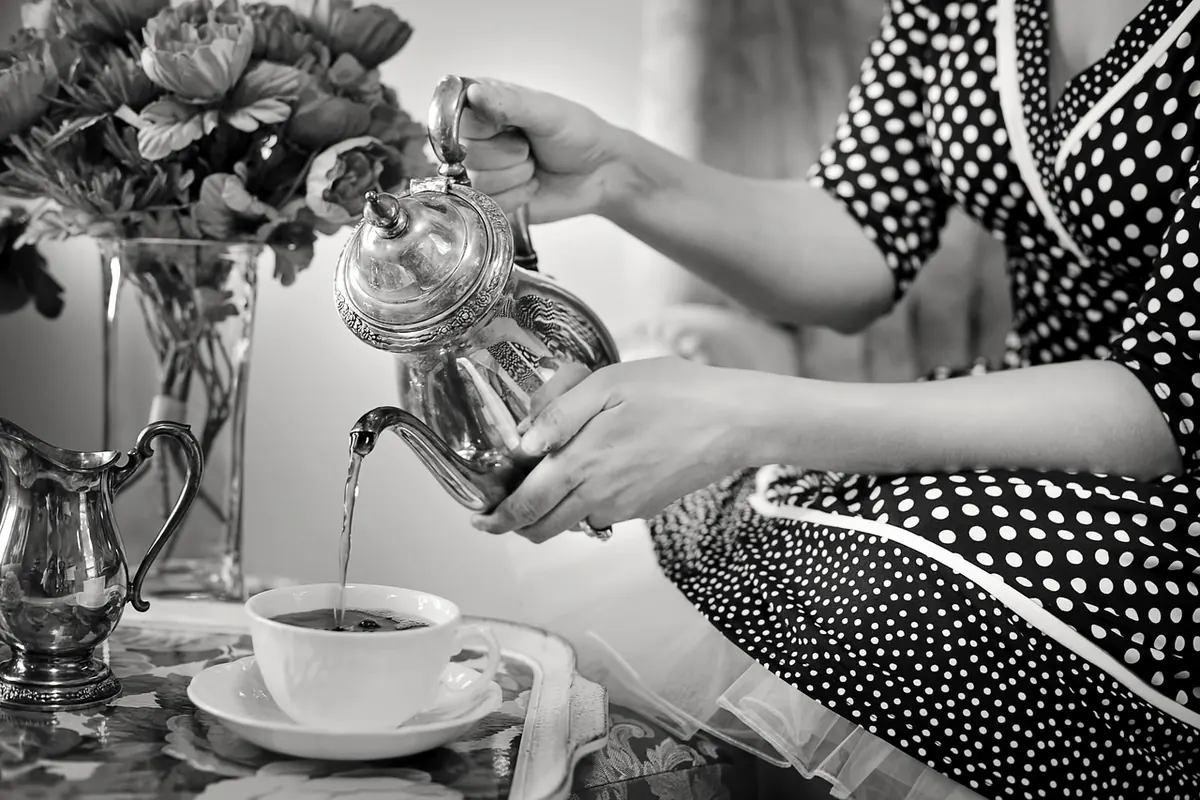
Tea has a way of collecting gear. You start with a mug and a tea bag, and a few months later you're comparing mesh sizes and treating brewing notes like recipes. That's part of the fun, but it helps to know which tools change what ends up in your cup and which ones just look good on a shelf. What follows is the order most new loose-leaf drinkers find useful, from things worth buying this week to upgrades that can wait.
Start With What You Brew In
Porcelain and ceramic pots are the neutral workhorses: they don't hold onto flavors, they pour pleasantly, and a 300–500 ml pot suits one or two people. Glass shows you the leaves unfurling and the color of the liquor, though it sheds heat quickly. Cast iron holds temperature well, which suits black tea and roasted oolong; if the inside isn't enameled, dry it thoroughly after every use so it doesn't rust.
A gaiwan — a small lidded bowl, usually 100–150 ml — is the traditional choice for oolong and green tea and gives you fast, precise control. It also gets hot, and tilting the lid to pour takes practice. You don't need one yet. A plain mug with a well-fitting basket infuser will brew excellent tea while you work out how involved you want to get.
Infusers and Strainers
This is where the real differences live. Leaf needs room to expand and water needs to move around it; cramped leaves brew unevenly, with some turning bitter while the rest stays dry and stubborn.
- Basket infusers. A fine perforated metal basket that drops into your mug or pot. The best all-purpose start: roomy, easy to rinse, and you can lift the leaves out the moment the tea tastes right.
- Ball infusers. Fine for large whole leaves, poor for small or broken leaf, which slips through the gaps and compresses into a lump.
- Cloth or silicone bags. Handy for travel, but they hold onto odors and are fussier to clean.
- Fine-mesh strainers. A separate strainer for pouring from pot to cup catches the fragments that settle at the bottom. Cheap, and worth owning even if your pot has a built-in filter.
- Built-in pot filters. Before buying any teapot, hold it up to the light and check the holes. If they're wide, your cup will be gritty; a mesh insert or a separate strainer fixes it.
Rinse whatever you use right after brewing. Tea oils dry into a film that dulls flavor, and mesh is the hardest thing to rescue once it's coated. A short soak in hot water with a little baking soda handles most buildup.
A Small Scale Does More Than You'd Think
A teaspoon is not a measurement. A spoonful of fluffy white tea can weigh a third of what a spoonful of dense rolled oolong does, which is why "one scoop" produces wildly different cups. A kitchen scale that reads to 0.1 grams removes that variable for good.
Start with the ratio your tea seller recommends, then adjust toward what you actually enjoy. Weigh the dry leaf; eyeballing water by the mugful is fine at first. Keep a note on your phone with the weight, temperature, and time for the teas you drink most, and the guessing stops within a couple of weeks.
Timers and Temperature Control
Timing
Bitter tea is usually a timing problem, not a leaf problem, and your phone timer works perfectly. The habit that matters is separating leaf from water when the tea is ready, which is why a basket you can lift out beats leaving leaves sitting in the pot.
Many teas are worth brewing more than once. After the first pour, add roughly 30 to 60 seconds to the next steep and taste as you go; whole-leaf oolongs and good black teas often give three or four good rounds.
Temperature
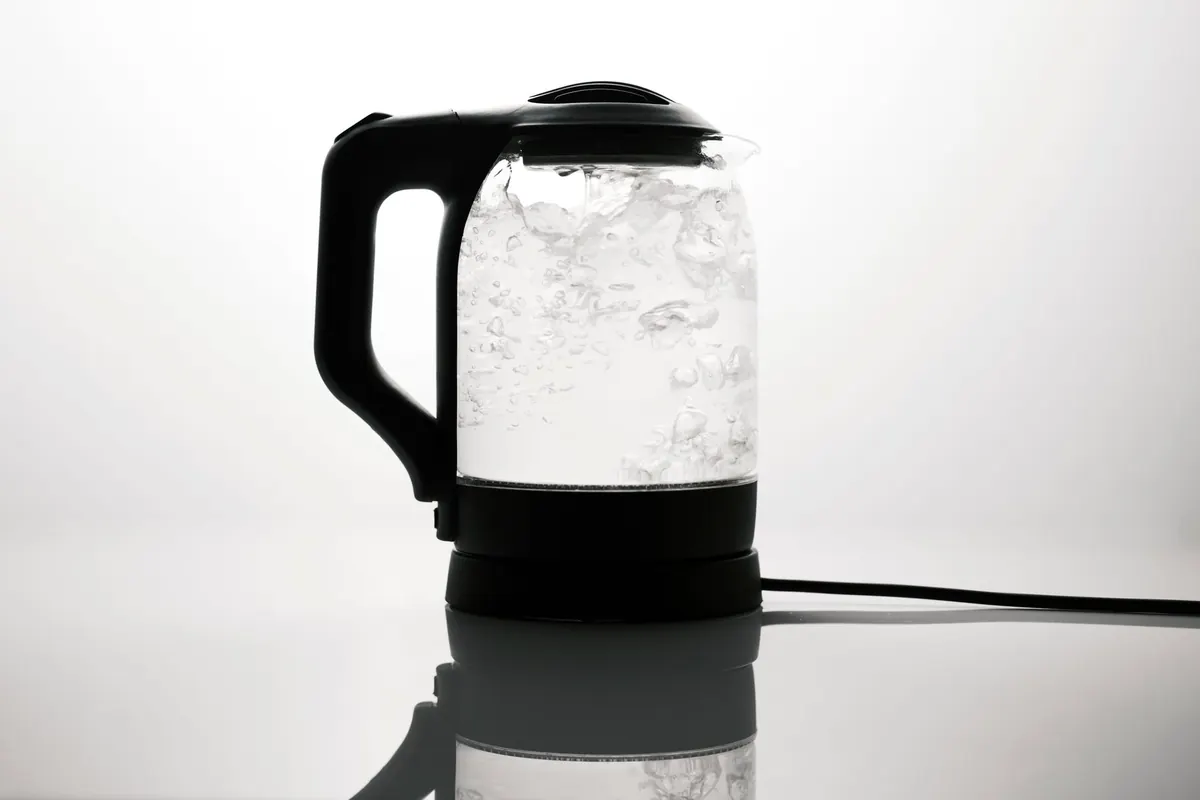
If you buy one appliance beyond a kettle, make it one with temperature settings. Delicate green and white teas brew far better well below boiling, and a variable-temperature kettle makes that repeatable rather than a guess. Without one, boil and then let the water stand for a few minutes, or pour it between two cups to knock the heat down. A basic instant-read thermometer is a useful check while you learn what each temperature feels like.
If caffeine is something you're watching for health reasons, talk with a healthcare professional about what's appropriate for you rather than relying on brewing charts.
Storage That Actually Protects Flavor
Tea fades quietly. Air, light, heat, moisture, and strong smells all pull flavor out of the leaf, which is why a decorative tin that doesn't seal is worse than a plain one that does.
- A small, opaque, airtight tin per tea, filled fairly full so there's little air space.
- Buy a few weeks' worth at a time rather than a year's.
- Store away from the stove, the window, and the spice rack, and keep teas separate — a smoky lapsang will scent everything near it.
- Skip the fridge and freezer unless you're sealing green tea tightly for long-term storage, and let it come to room temperature before opening to avoid condensation.
- Write the date on the tin. Tea won't spoil, but it will go flat.
The Upgrades You Can Wait On
Once the basics are in place, a few extras genuinely improve daily brewing.
- A tea tray. Catches the drips and overflow that come with gaiwan or small-pot brewing.
- A fairness pitcher. A small jug you pour the whole pot into before serving, so every cup tastes the same and the leaves stop steeping.
- Small tasting cups. Useful for comparing two teas side by side.
- A matcha bowl and whisk. Only if you drink matcha. It's a different method with its own tools, and a milk frother won't do the job.
Skip anything promising to improve any tea. Gear doesn't fix stale leaf or scorched water.
Building Your Setup in Stages
The easiest way to avoid a cupboard of unused tools is to buy in three passes.
- Starter kit. A mug, a basket infuser, a 0.1-gram scale, a timer, and one airtight tin.
- Second pass. A teapot or gaiwan, a fine-mesh strainer, and a second tin for a tea you like just as much.
- Later. A temperature-controlled kettle, a tea tray, and a fairness pitcher, once you're brewing for more than yourself.
Upgrade when you notice a specific problem: tea turning bitter before you finish pouring, leaves
Photo: JillWellington / Pixabay
Related posts
More stories you’ll love reading