

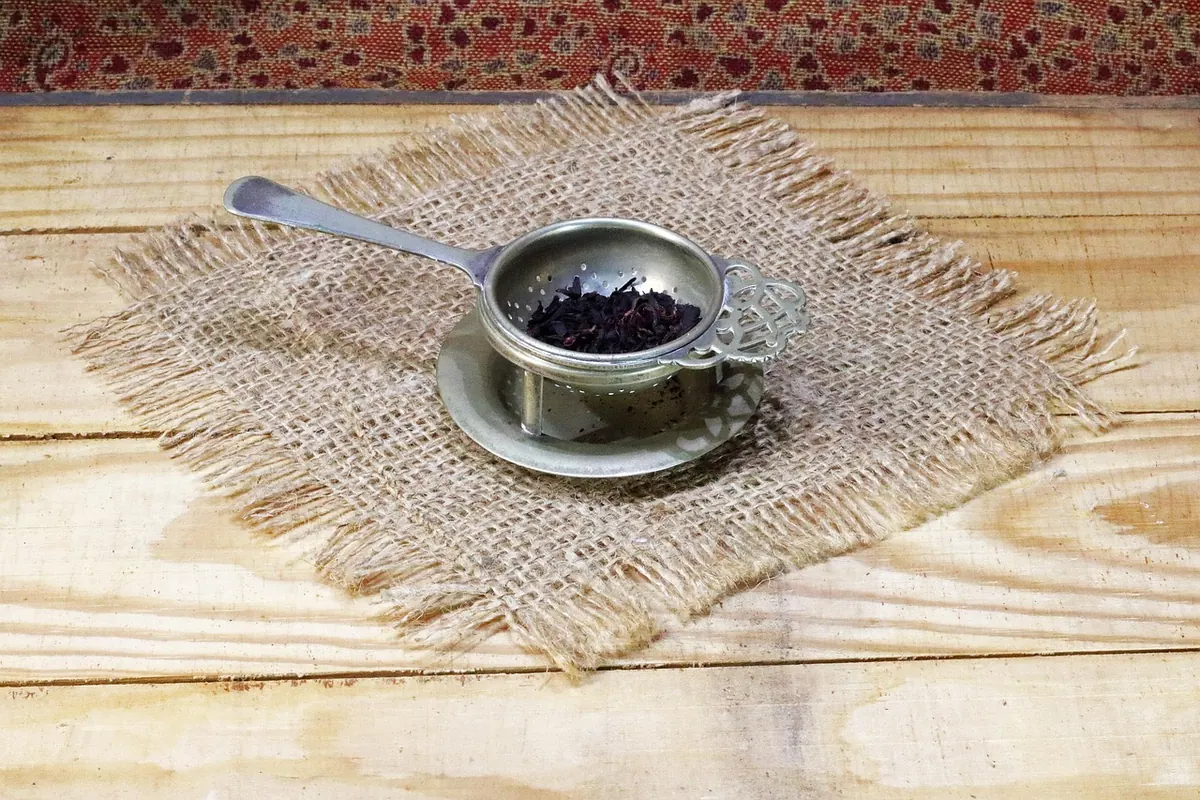
A tea infuser does one job, and it does it while wet, warm, and packed with leaves. That's why it gets grimy faster than almost anything else in the kitchen drawer. The residue left behind — tannins, essential oils, tiny leaf fragments wedged into mesh — doesn't just look tired. It flavors the next cup, and rarely for the better. A dull, faintly bitter edge creeps in, and you start blaming the tea instead of the tool.
The good news is that none of this requires special products. Hot water, baking soda, vinegar, and a soft brush handle nearly everything. Here's how to keep each type of tea tool clean, from a daily rinse to a deeper monthly reset.
Daily Rinsing: The Habit That Does Most of the Work
If you do one thing, do this: rinse the infuser the moment the leaves come out. Dried leaf matter is the enemy. Once it sets, it glues itself into mesh and hinges, and a quick rinse turns into a twenty-minute soak.
- Empty the wet leaves straight into the bin or compost. Don't let them sit in the basket.
- Rinse under hot running water, turning the basket so the stream pushes through the mesh from both sides.
- Use your fingers or a soft brush to loosen anything clinging to the rim, hinge, or seam.
- Shake off the excess and stand it upside down on a dish rack or folded towel so air reaches the inside.
Total time: under a minute. That minute is the difference between a tool that lasts years and one that smells like last Tuesday's Earl Grey. If you genuinely can't rinse it right away, drop the basket into a cup of cold water rather than leaving it dry.
Deep Cleaning by Material
Once a week, or whenever you notice a film, give the tool a proper wash. The method depends on what it's made of.
Stainless steel mesh infusers and strainers
Soak the basket in warm water with a spoonful of baking soda and a drop of dish soap for fifteen minutes. Work a soft brush or an old toothbrush through the mesh in both directions, then rinse until the water runs clear. Dry it on a towel rather than leaving it in the sink. Avoid steel wool and scouring pads — they scratch the surface and give future residue somewhere to hide. Check the hinge and clasp too; that's where most mesh balls fail.
Silicone infusers and reusable tea bags
Silicone holds onto oils from flavored and spiced blends. Make a paste of baking soda and a little water, rub it over the silicone with your fingers, and rinse well. If a silicone basket or its gasket still smells after washing, that's your cue to replace it. Silicone is cheap; a lingering smell in every cup is not.
Glass and glazed ceramic
Plain glass teapots and strainers are usually dishwasher safe, though hand washing keeps them clearer. Never pour boiling water into cold glass — let the pot warm with a splash of hot tap water first. Glazed ceramic is the most forgiving of the lot: warm soapy water and a soft sponge will do it.
Unglazed clay and cast iron
Unglazed clay, like a traditional Yixing pot, is porous. Skip soap entirely and rinse with hot water only, then air dry with the lid off. Many drinkers keep one pot for one type of tea, since the clay absorbs and returns flavor over time. Cast iron teapots should be rinsed, dried immediately, and never soaked or put in the dishwasher; a quick warm-up on the stove drives off the last of the moisture. Enameled interiors are more tolerant, but hand washing is still the safer habit.
Removing Tannin Stains and Hard-Water Scale
Brown staining on a ceramic pot or a cloudy white film on a glass strainer is normal, especially with hard water. Both come off with things you already own.
- Tannin stains: rub a paste of baking soda and water onto the stain with your fingers or a soft cloth, leave it five minutes, then rinse.
- Stubborn brown rings: soak in equal parts white vinegar and water for 30 minutes. For a narrow-necked teapot, drop in a denture tablet and fill with warm water.
- Limescale: soak glass, ceramic, or stainless steel parts in warm water with a spoonful of citric acid or plain white vinegar for 20 to 30 minutes, then scrub gently and rinse thoroughly.
Two things to avoid. Don't mix vinegar and baking soda expecting a stronger cleaner — they neutralize each other on contact. And skip chlorine bleach on stainless steel, which can pit the metal over time. If a stain won't budge after a vinegar soak, it's usually harmless and not worth aggressive scrubbing.
Drying and Storing Tea Tools
Most musty smells come from storage, not from tea. Trapped moisture in a closed drawer or an airtight tin gives mold a place to grow, and porous materials like silicone and unglazed clay are especially vulnerable.
Let every piece air dry completely before it goes away. Store infusers loosely rather than nested inside one another, and leave teapot lids off or resting askew so air can circulate. A small open basket or a shelf with breathing room beats a sealed container every time. If you spot black speckling on a silicone gasket or in a mesh seam, replace the part; it rarely comes back clean.
A clean infuser adds nothing to your tea. That's exactly the point.
A Routine That Takes Five Minutes a Week
Rinse after every use. Soak the basket once a week in baking soda and warm water. Descend on limescale once a month with vinegar or citric acid. Dry everything thoroughly before it goes back in the drawer, and replace silicone or mesh parts the moment they hold onto a smell.
That's the whole system. It costs you a few minutes, protects tools you'd otherwise replace every season, and keeps the flavor in your cup coming from the leaves — where it belongs.
Photo: Bluesnap / Pixabay
Related posts
More stories you’ll love reading